
 By
By 
Canvas is not paper.
It’s fabric. It moves. It responds to temperature and humidity. It needs room to breathe.
By sealing canvas between glass like a wall-hanging photo frame, you are at risk of trapping moisture and flatting its form.
If you want your art to endure − and look its best − canvas stretching is usually the wiser option.
Here’s why.
Canvas is Designed to Be Open
These can be painted or printed canvas, as they have some depth. The texture of the weave subtly picks up light. That’s part of its charm.
And if you hang canvas behind glass:
- You compress the surface
- You remove texture depth
- You increase glare
- You reduce visual warmth
Glass creates reflection. Rather than the art, you see windows, lights and yourself.
Stretched over timber stretcher bars and ready to hang professionally. The skin sits open, as it was designed to do.
The Moisture Trap Problem
Canvas shrinks and expands based on humidity. It’s natural.
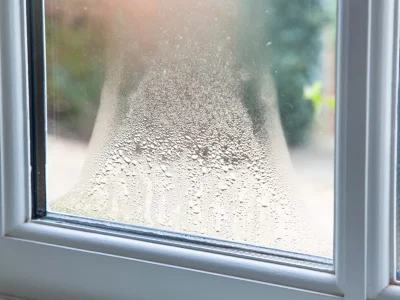
But when sealed behind glass in hermetically tight hanging photo frames, air circulation ceases. If moisture gathers inside the frame, it has no place to go.
This can lead to:
- Mould growth
- Warping
- Discolouration
- Mildew odour
Canvas stretching allows for soft, cushioning air underneath the fabric surface of your print. This helps reduce moisture build-up and aids in longer-term preservation.
In Australia’s shifting climate, this is important − particularly in coastal areas.
Texture is the Star
Canvas has its own stunning characteristic − their woven texture.
Brush strokes pop. Printed textures look layered. Light behaves differently during the day.
That texture flattens visually behind glass.
With stretched canvas, everything stays fresh because nothing touches the surface. No reflections. No glare. Just pure artwork.
Stretched canvas, unlike a traditional hanging photo frame, results in a contemporary and elegant gallery-style appearance.
Lighter, Cleaner, Simpler
Glass adds weight.
Stretched canvas is lighter weight and easier to hang. You’ll never have to worry about shattering glass during the mounting or transporting process.
Benefits of canvas stretching include:
- Reduced weight
- No reflection issues
- No trapped condensation
- Minimal maintenance
You just give the surface a light dust every now and then.
For those who prefer minimalist interiors, stretched canvas provides clean lines and a frameless look that allows the artwork to effortlessly blend into modern spaces.
When Glass Makes Sense
In fairness, glass is lovely for paper prints and photographs. It guards fragile surfaces against dust and fingerprints.
That’s where traditional hanging photo frames excel.
But canvas is more durable. It doesn’t require the same protective barrier in most cases.
To treat canvas as if it were paper is to disregard its materiality.
Paper is more vulnerable to creasing, tearing or fading, so glass is an essential shield.
In contrast, canvas is built to work through exposure and display rather than being locked away behind a reflective layer.
The Gallery Look
Go anywhere that shows contemporary work and you’ll notice something: most canvases are stretched, not boxed behind glass.
Why?
Because stretching honours the medium.
All edges can be “wrapped” around the frame for a seamless look. (For greater sophistication, the work can be framed in a floating tray frame after stretching over canvas.
The end result is intentional and professional.
Final Thoughts
Canvas is meant to breathe.
While glass can be protective to paper, it might lock in moisture, and flatten the texture that flat-out makes canvas cool.
For clarity, depth, and longevity, stretching canvas is usually a better fix.
Save hanging photo frames for your photographs and prints. Let canvas stand on its own.
When properly treated, stretched canvas provides a cleaner, richer and more lasting display − like it was intended to.




Comments