
 By
By 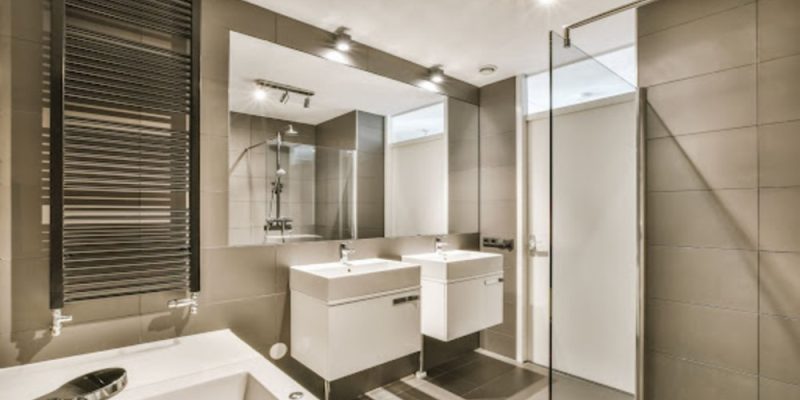
Bathrooms usually start feeling wrong before they look wrong. You step out of the shower and the floor is wet again. The bath mat never really dries. Water does not stay put on its own. It slowly spreads into corners you never planned for. In the beginning it barely registers, but over time it becomes one more small frustration. The shower screens change that behavior quietly, guiding water back into place and reducing the little problems that build up during daily routines.
Why shower screens matter more than people expect
Modern bathrooms are more open than older ones. Walk in showers, cleaner lines, fewer walls. They look great, but water does not respect design trends.
Without proper control, water travels further than expected. It spreads across floors, seeps into grout, and settles near cabinetry. Over time, this moisture causes damage that feels slow and unavoidable. A shower screen creates a clear stopping point. It keeps water where it belongs without closing the room off completely.
The result is not just a drier floor. It is a bathroom that feels more predictable and easier to live with.
Glass finishes affect comfort and maintenance
Glass choice does more than change appearance. It shapes privacy, light, and cleaning habits.
Clear glass makes small bathrooms feel more open. Light moves freely and the room feels bigger. Frosted or textured finishes soften the space and add privacy, which some people prefer in shared bathrooms.
Some finishes also hide water marks better. This matters more than people expect. When streaks are less visible, the bathroom looks cleaner between cleans. That small difference reduces the feeling that the room needs constant attention.
Design flow and water control must work together
A bathroom works best when function does not interrupt the look. The screen should follow the lines of the room, not fight them.
Straight layouts suit clean, modern designs. Softer positioning can help compact spaces feel less boxed in. When the screen lines up with tiles, fittings, and lighting, the room feels intentional instead of patched together.
This alignment matters more than decorative details. A well placed screen can make an average bathroom feel thoughtful and calm.
Cleaning and long term upkeep matter more than style
Maintenance becomes important long after the excitement of a new bathroom fades.
Simple profiles collect less grime. Quality seals reduce leaks and mould build up. Smooth glass is easier to wipe without strong chemicals. These details decide whether cleaning feels quick or constantly frustrating.
Retailers focus on offering screen designs that balance appearance with real world use, which matters once the bathroom becomes part of daily routine rather than a new project.
Another benefit people notice later is comfort. Screens help retain warmth during showers, making the space feel more pleasant without adjusting heating. They also limit steam spread, which keeps mirrors clearer and storage areas drier.
These small improvements stack up. Less slipping risk. Less wiping down. Less moisture damage. The bathroom stops feeling demanding and starts feeling dependable.
When planning a bathroom, it helps to watch how water actually moves. Where it splashes. Where it pools. Where it escapes. Designing around these realities leads to better outcomes than focusing only on appearance.
Before finalising the layout, stepping back and thinking about how shower screens fit into daily life often changes the whole result. The room feels calmer, cleaner, and easier to use without looking closed off.
A bathroom does not need more walls to work better. It needs smart boundaries that guide water and movement quietly. When chosen and placed well, a shower screen becomes one of those elements you stop noticing because everything simply works the way it should.








Comments