
 By
By 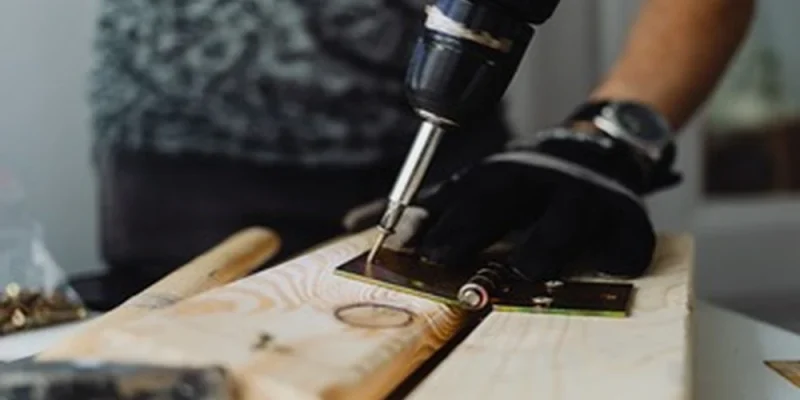
There is a distinct moment in almost every woodworking project where the excitement of design gives way to the reality of construction. You have measured twice, cut precisely, and sanded the timber until it feels like silk. Yet, the long-term survival of your build, whether it is a custom bookshelf, a workshop bench, or an outdoor planter, comes down to a few hidden elements buried deep inside the joints.
Too often, builders invest hours selecting the finest hardwoods while treating fasteners as an afterthought. Grabbing a random box of generic hardware from a big-box store shelf can compromise an entire afternoon of careful joinery. When timber expands and contracts with humidity changes, weak hardware fails first, leading to sagging frames, stripped heads, and loose connections.
The Anatomy of a Reliable Timber Connection
Wood is a living, breathing material. It absorbs moisture from the air, swells during rainy seasons, and shrinks under the summer sun. This constant microscopic movement exerts immense shearing force on whatever is holding the pieces together. Standard, cheap steel tends to snap under this stress, or worse, bend silently over time.
Professional-grade fasteners are engineered to handle this kinetic tension. Features like specialized thread counts, sharp self-starting points, and durable corrosion-resistant coatings allow the metal to bite deeply into the grain without splitting the surrounding fibers. When you pull together two pieces of oak, maple, or cedar, you want a tight, permanent grip that won’t give way after the first seasonal shift. For builders looking to match specific project demands, exploring options from the Star Fasteners Plus wood screw collection provides access to specialized thread geometries and material coatings designed precisely for these structural challenges.
Choosing the Right Design for the Grain
Not all threads are created equal, and matching the hardware to the wood density makes a massive difference. Coarser threads work wonders in softwoods like pine or fir because they grab onto wider grain patterns with authority. Hardwoods, however, demand finer pitches and pre-drilled pilot holes to prevent the shaft from binding and fracturing the board.
According to structural connection standards outlined by the American Wood Council, understanding withdrawal resistance and load path distribution is vital for long-lasting joints. If a screw lacks sufficient thread depth or gauge thickness, heavy loads will gradually pull it out of alignment.
Little Decisions That Prevent Big Failures
Avoiding future squeaks, wobbles, and structural failures comes down to respecting the micro-details of assembly. A few mindful practices keep builds solid for decades:
- Drive Types Matter: Move away from standard slotted or worn Phillips heads that slip and strip out. Star-drive or Torx recesses allow for much higher torque transfer without damaging the tool or the screw head.
- Corrosion Defense: If your project lives outdoors or in damp spaces like basements, always use ceramic or exterior-grade coated fasteners to prevent rust bleeding through the grain.
- Pre-Drilling is Non-Negotiable: Taking thirty seconds to drill a pilot hole near the edge of a board eliminates split ends and preserves the aesthetic of your craftsmanship.
Ultimately, great woodworking is an exercise in hidden resilience. When the structure remains as tight and rigid years down the line as it was on day one, it proves that the most critical components are often the ones you never actually see.









Comments