
 By
By 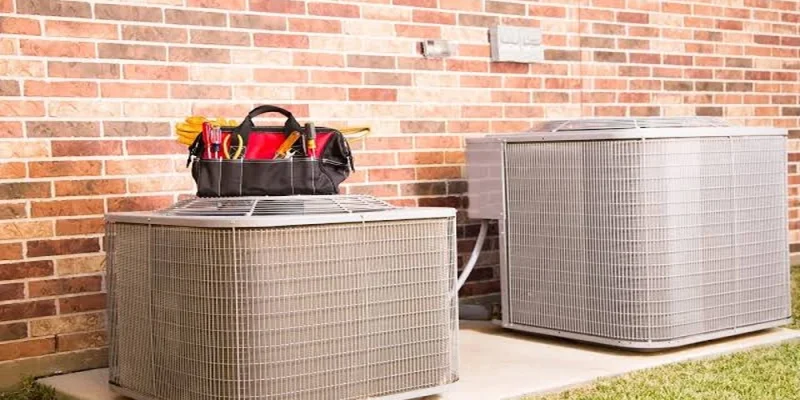
A well-maintained home cooling system can deliver reliable comfort for 12 to 15 years or longer, while a neglected unit often fails years earlier and costs far more to operate. Simple habits and timely care make the difference between an air conditioner that struggles through every summer and one that runs efficiently season after season. Residents who want dependable performance often turn to trusted air conditioning services Maysville for professional inspections and tune-ups that catch small problems before they become expensive repairs.
Change Filters on a Consistent Schedule
Air filters are the first line of defense against dust, pollen, and debris. A clogged filter forces the system to work harder, reduces airflow, and can cause the evaporator coil to freeze. Most manufacturers recommend checking filters every 30 days and replacing them every one to three months, depending on household conditions. Homes with pets, smokers, or high dust levels may need more frequent changes.
Using the correct filter size and MERV rating matters. A filter that is too restrictive can restrict airflow just as much as a dirty one. Write the replacement date on the filter frame or set a recurring calendar reminder so the task does not get overlooked during busy months.
Keep the Outdoor Unit Clear and Clean
The outdoor condenser needs unobstructed airflow to release heat effectively. Leaves, grass clippings, mulch, and overgrown shrubs can block the coils and raise operating temperatures. Maintain at least two feet of clearance on all sides and trim vegetation regularly.
Gently rinse the exterior coils with a garden hose once or twice a year to remove dirt and pollen. Avoid high-pressure washers, which can bend the delicate fins. Straighten any bent fins carefully with a fin comb if needed. A clean outdoor unit runs cooler, uses less electricity, and experiences less wear on the compressor.
Schedule Professional Maintenance Twice a Year
Many of the most important longevity steps require a trained technician. During a spring or fall service visit, the technician will clean the indoor and outdoor coils, check refrigerant levels, inspect electrical connections, test capacitors and contactors, lubricate moving parts if required, and verify proper airflow and thermostat calibration.
Refrigerant that is low or contaminated forces the compressor to work harder and can lead to premature failure. Electrical components that are loose or failing often give early warning signs that only diagnostic tools can detect. Annual or biannual professional care is one of the highest-return investments a homeowner can make in system lifespan.
Use the Thermostat Wisely
Constant large temperature swings force the system to cycle on and off more frequently, increasing wear on the compressor and other components. Setting a moderate, consistent temperature and using programmable or smart thermostats to adjust settings when the house is empty reduces runtime without sacrificing comfort.
Avoid the temptation to set the thermostat several degrees lower than needed on hot days. The system will not cool the home any faster, and the extra strain shortens component life. Gradual adjustments and reasonable set points keep the equipment operating within its design range.
Address Unusual Sounds, Odors, or Performance Issues Promptly
Strange noises, musty smells, weak airflow, or rooms that no longer reach the set temperature are early indicators that something is wrong. Ignoring these signs often turns a relatively inexpensive repair into a major component failure. Compressors, blower motors, and capacitors that fail under stress can damage other parts of the system as well.
Keeping a simple log of any changes in performance helps technicians diagnose problems more quickly. Early intervention almost always costs less and preserves more of the system’s remaining life than waiting until the unit stops working entirely.
Protect the System During Off-Seasons
In milder climates, many homeowners shut the system down for months at a time. Before the cooling season ends, clean or replace the filter one last time and clear debris from around the outdoor unit. Some technicians recommend covering the outdoor unit only if the cover allows ventilation; airtight covers can trap moisture and encourage corrosion.
When restarting the system in spring, turn it on for a short test run on a mild day and listen for unusual sounds. This quick check can reveal issues that developed over winter before the first real heat wave arrives.
Maintain Proper Indoor Airflow and Drainage
Blocked supply or return vents force the system to work harder and can create pressure imbalances that stress the blower. Keep furniture, drapes, and storage boxes away from vents and registers. The condensate drain line should remain clear so water can exit freely. A clogged drain can cause water damage and shut the system down on a safety switch.
Pouring a cup of distilled vinegar or a manufacturer-approved cleaner into the drain line once or twice a year helps prevent algae and mold buildup. If the system has a secondary drain pan, inspect it periodically for standing water.
Choose Quality Parts and Avoid Temporary Fixes
When repairs become necessary, opting for manufacturer-recommended or high-quality aftermarket parts generally supports longer system life than the cheapest available option. Temporary fixes that restore cooling for a single season often lead to repeat failures. A reputable technician will explain the trade-offs so homeowners can make informed decisions that align with their long-term goals.
Track Energy Use and Performance Trends
Sudden increases in electricity bills without corresponding changes in weather or usage patterns can signal declining efficiency. Modern smart thermostats and energy monitors make it easier to spot trends. Rising energy consumption often appears months before a complete breakdown, giving homeowners time to schedule service.
Closing Thoughts
Extending the life of a home cooling system does not require complicated procedures or constant attention. Consistent filter changes, clear outdoor space, professional maintenance, sensible thermostat habits, and prompt response to warning signs form a practical routine that most households can follow.
These steps reduce strain on critical components, lower the chance of unexpected failures during peak heat, and help the equipment deliver reliable comfort for many additional seasons. A cooling system that receives steady, thoughtful care simply lasts longer and costs less to own over time.
================================================================
2.





Comments