
 By
By 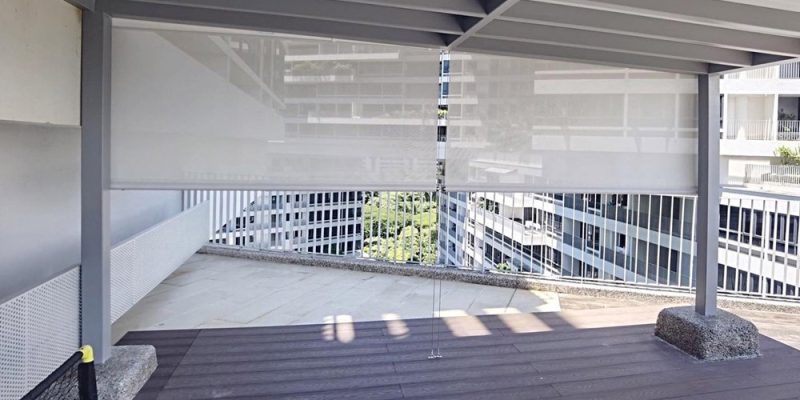
Outdoor blinds Singapore properties require are among the most practical additions a homeowner or commercial operator can make to an outdoor space, combining genuine weather protection with a level of visual polish that transforms how an area looks and feels.
The Functional Gap That Outdoor Blinds Fill
A covered outdoor area without side protection is only partially shielded from Singapore’s conditions. A pergola or awning addresses rain falling directly downward, but does nothing about wind-driven rain, which arrives at an angle and penetrates even a deep covered area during the heavier downpours that Singapore experiences regularly. An uncovered balcony or patio without any overhead or side shielding is simply unusable during most of the midday hours when sun angles are high and radiant heat is most intense.
Outdoor blinds address the sides of an outdoor space, working in combination with any existing overhead coverage to create a genuinely sheltered zone that handles both sun angle and wind-driven rain. This is the functional gap they fill: not replacing the roof, but completing the enclosure that makes an outdoor area genuinely usable across a full range of weather conditions.
How Outdoor Blind Materials Are Specified
Singapore’s outdoor environment is demanding for materials. High UV radiation, frequent rainfall, salt-laden coastal air in many locations, and the biological growth that humidity encourages all challenge outdoor installations in ways that would not affect an indoor equivalent. Materials for outdoor blinds Singapore applications are selected for:
- UV stability: the material must resist photodegradation that causes fabric to become brittle, fade, or shed fibres over time under direct equatorial UV
- Water resistance: the fabric should not absorb water, swell, or delaminate when wet, and should dry quickly after rain exposure
- Tensile strength: outdoor blinds experience wind loading that requires both the fabric and the guide or support system to withstand lateral forces without distorting or tearing
- Mould resistance: materials that resist mould colonisation and can be cleaned when contamination occurs remain presentable without requiring replacement
PVC-coated woven fabrics and solution-dyed acrylics are the two most common categories in the Singapore outdoor blind market, each with different performance and aesthetic profiles.
Design Approaches for Different Properties
Outdoor blinds do not need to look utilitarian. The format has evolved significantly, and contemporary outdoor blind systems offer:
- Transparent PVC panels that provide weather protection without reducing natural light or obscuring views
- Woven mesh fabrics in a range of neutral colours that allow air movement while blocking the sun and reducing visible privacy
- Motorised systems with concealed hardware that suit high-end residential and commercial applications
Outdoor blinds Singapore suppliers who offer a range of these options can match the product to the property’s architectural character rather than forcing every installation into the same format.
“Adapting to the environment is the most important thing. Those who cannot adapt do not last.” – Lee Kuan Yew.
Outdoor blinds are, in this sense, an architectural adaptation to Singapore’s specific climatic environment – one that allows the property to function fully rather than conceding half its outdoor space to the weather.
Applications Across Property Types
The range of applications for outdoor blinds in Singapore is broad:
- Condominium balconies: motorised or manual blinds that provide privacy from neighbouring units and protection from direct afternoon sun
- Landed property patios and pool decks: larger-format systems that allow outdoor entertaining through Singapore’s intermittent rain events
- Alfresco restaurant and cafe seating: commercial-grade systems that can be closed rapidly when rain begins, protecting diners and furniture
- Industrial and commercial facades: sun-control systems that reduce solar heat gain through glazing-heavy building envelopes, reducing cooling energy consumption
- Retail shopfronts: overhead and side blinds that extend shade over footpath areas and create comfortable browsing conditions
Installation Requirements for Singapore Conditions
Outdoor blinds must be attached to the building structure in a way that withstands the wind loads and repeated operational cycles of an outdoor installation. In Singapore’s cyclonic rain events, gusts can be significant, and an outdoor blind system that has not been anchored correctly will fail under these conditions.
Professional installation involves identifying structural anchor points, specifying appropriate fastener types for the substrate (whether concrete, timber, or aluminium framing), and testing the system under simulated load before handover.
Durable weather protection blinds installed with proper structural attachment and correct fabric specification perform reliably across years of daily operation in Singapore’s conditions. Outdoor blinds Singapore homeowners and businesses install with professional guidance deliver stylish shade and dependable weather protection that makes every outdoor space worth having.



Comments