
 By
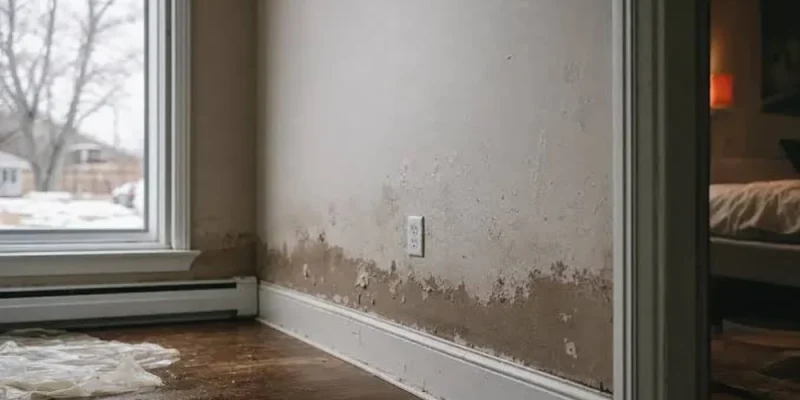
A wet house is a race against time. Water that soaks into carpet, drywall or wood does not just sit there. It starts a countdown, and what happens in the next day or two often decides whether the cleanup is a minor chore or a major project. Here is a plain briefing on what that countdown looks like and what to do inside it.
For many homeowners, the first call goes to a restoration company such as NXTGEN Restoration, a Las Vegas-based business whose website lists water damage and mold remediation among its services. Before anyone arrives, though, it helps to understand the basics yourself.
The Short Version
The U.S. Environmental Protection Agency’s mold course chapter on water damage, which was updated in November 2026, gives the central rule. In most cases, mold will not grow if wet or damp items are dried within 24 to 48 hours. The whole job of the first days is to beat that clock.
The same page is careful about its own rule. The 48-hour mark is a guideline and not a guarantee, and mold may sometimes appear even after fast drying. When materials stay wet longer than that, or mold shows up, the cleanup becomes a bigger job.
What Drying Looks Like Material by Material
The EPA page lays out different advice for different surfaces. For carpet, the water is removed with a wet vacuum, the carpet and pad are pulled up, and both are dried with fans, with a dehumidifier helping to lower the humidity in the room. Concrete and cinder block are dried with dehumidifiers, fans and heaters after the water is extracted.
Drywall can sometimes dry in place, but only if it shows no obvious swelling and the seams are intact. Otherwise it should come out. Wall cavities are the hardest places to dry, so they should be ventilated if the drywall stays. Wood needs the moisture removed right away with dehumidifiers, fans and gentle heat, and the page advises caution with hardwood floors. Hard surfaces like tile, vinyl, plastic and metal can be vacuumed or damp-wiped with mild detergent and left to dry.
What May Have to Go in the Trash
Some materials are hard to save. The page lists ceiling tiles, cellulose and fiberglass insulation, drywall and gypsum board, and books and papers among items that may need to be discarded. It suggests sending valuable or important items to a restoration or remediation expert instead. For furniture that is too wet to dry within 48 hours, a specialist may be worth the cost.
When the Job Outgrows a Weekend
The EPA page sorts mold problems by size. Under 10 square feet is small, 10 to 100 square feet is medium, and over 100 square feet is large. For medium or large jobs it recommends choosing a remediation manager, and for large or complex ones it suggests bringing in an experienced health and safety professional.
A remediation plan, it says, should cover whether containment is needed, what protective equipment is used, how the moisture source will be fixed and how moldy materials will be removed without spreading mold.
When the Water Is Not Clean
All of the above assumes clean water. If the water may be contaminated with sewage or chemical or biological pollutants, the page says to consult an experienced professional, to use protective equipment and containment, and not to run fans until the water is confirmed clean or sanitary. This is the point where most homeowners should step back.
Protecting Yourself While You Work
The page gives a minimum protective kit for anyone disturbing mold during an inspection: an N-95 respirator, gloves and goggles. It also warns against touching mold with bare hands and against breathing in or getting spores in the eyes. People with existing health conditions are advised to talk to a healthcare professional before starting.
Where a Restoration Company Fits
On its website, NXTGEN Restoration describes itself as licensed, insured and family-owned, with more than 25 years of restoration experience, and promises a one-hour emergency response across Southern Nevada, day or night. It also says it offers free emergency inspections and works directly with insurance providers. The page lists water damage and mold remediation but gives no detail on how those services are carried out, and it shows no license numbers or industry certifications. Ask any company to explain its process, its equipment and its credentials before work begins.
What This Guidance Does Not Cover
The EPA page is a training chapter about buildings in general, and it does not speak to the Las Vegas climate or to insurance. It also does not name a specific cleaning product or give a guarantee that fast drying will prevent mold. Treat it as a map of the problem and not as a substitute for an on-site assessment.





Comments