
 By
By 
A clear path from the van to a room answers a delivery question, but it does not establish that the site is suitable for operating rental equipment. Before booking an assessed drying assignment, confirm who will review the site requirements and who will receive the operating guidance. Resolving those questions early prevents the arrival of a machine from creating pressure to improvise.
A clear doorway answers only the delivery question
Accurate access information is valuable. The provider may need to know about stairs, narrow turns, building delivery arrangements and the authorized recipient. Ask what details are required for the actual equipment being supplied. The homeowner should describe the route honestly, while competent handlers determine the appropriate delivery method. A convenient entrance does not remove the need for that review.
Operating suitability is a different matter. The equipment has requirements stated in its documentation, and the property may present conditions that need qualified assessment. Do not assume an available socket, a nearby drain or an empty corner is automatically appropriate. This article does not provide electrical, drainage or placement instructions. Those arrangements must follow the actual machine guidance and competent advice for the site.
After a water event, site safety cannot be inferred from whether someone can physically carry a machine indoors. Health Canada’s flood-cleanup guidance addresses hazards requiring attention before recovery work. Use the appropriate professional response for the incident. An equipment delivery should fit an assessed plan rather than serve as permission to enter or work in an uncertain area.
Send the right site questions to the right person
The supplier can explain the machine being offered and its documentation. The professional directing the site work can determine how it fits the property within their competence, involving another qualified trade where necessary. Clarify that division before asking one party to answer everything. The homeowner should know who is responsible for the site decision and which unresolved questions need to be addressed before use.
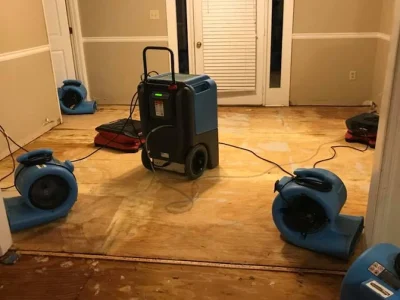
For a Toronto enquiry, the fan-rental category at Drying Equipment identifies equipment to discuss with the provider. Confirm the current unit and obtain its relevant information. A product name or photograph does not establish the operating requirements for every unit in the category. Keep the actual model attached to the site review so the discussion concerns the equipment that will arrive.
Give the responsible adviser a clear description of the intended task and known conditions. If the project has already been assessed, provide the relevant equipment request from that assessment. If important matters remain uncertain, keep them visible. Do not answer a technical question with a guess merely to complete an order form or keep a preferred delivery slot.
Where the provider and project lead need to coordinate, arrange a direct exchange or a clear written handoff. Passing fragments through several people can turn a conditional answer into an unconditional instruction. If an answer depends on a further site check, keep that condition in the message sent to the delivery contact, so a provisional arrangement is not mistaken for completed preparation. The owner can help by preserving the source and scope of each response. A statement about the machine should remain distinguishable from approval of an arrangement at the property.
Confirm who will accept the operating handover
The delivery recipient should know whether they are simply accepting the equipment or also receiving instructions for its use. If the intended operator is elsewhere, arrange the appropriate handover before operation. A helpful relative should not be expected to reconstruct technical guidance for a contractor later from a brief conversation at the door. The right person needs the current documentation and a chance to clarify questions.
Retain the instructions, booking reference and support contact where the operator can access them. Confirm which questions go to the equipment provider and which go to the person managing the site. If a condition changes or a machine issue arises, the operator should have an agreed route for advice. A clear contact arrangement is part of making the rental workable, especially when the account holder is absent or unavailable during working hours.
Do not add unofficial accessories or alter the arrangement to fit a household preference. If a proposed location interferes with normal access or another trade’s work, raise the conflict with the responsible professional. The solution should be reviewed against the actual equipment and site requirements. Practical inconvenience is a reason to revisit the plan, not to bypass it.
Treat an unresolved requirement as a reason to revise the plan
If the site cannot meet the relevant requirements, ask the responsible people what needs to change before the equipment can be used. That may affect the equipment selection, timing or another part of the project. The homeowner should not feel committed to making the original order work at any cost simply because a machine has been reserved. Suitability remains more important than preserving an unreviewed assumption.
Confirm any revised booking terms and tell the intended recipient about changes to the delivery. Keep the accepted equipment record and the current site instructions aligned. An old message describing a previous unit or date should not remain the apparent plan after the responsible review has changed it. Clear version control can be as simple as one current confirmation shared with the people involved.
The easiest time to resolve a mismatch is before equipment arrives and someone feels obliged to put it to use. Treat access, operating requirements and the handover as related questions with distinct answers. That gives the rental a sound practical beginning, with the site reviewed by the right people and the operator equipped with guidance that applies to the actual machine.








Comments