
 By
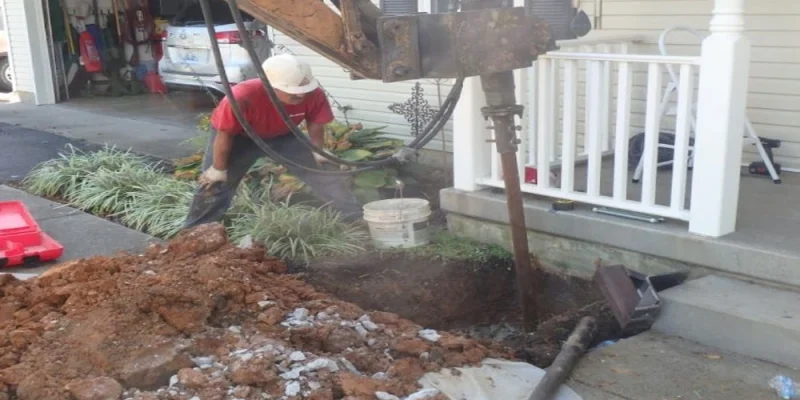
Most homeowners notice changes in their houses gradually. A door that once closed smoothly begins to stick, a thin crack appears near a window, or a basement wall develops a stain that was not there before. These changes do not automatically indicate serious structural damage, but they can raise questions about what is happening beneath the surface. Scheduling a foundation inspection in Warren can help homeowners better understand visible warning signs and determine whether additional evaluation or repairs may be necessary.
When unfamiliar changes begin appearing around a property, homeowners can visit their website to explore foundation-related services and learn more about professional assessments. Understanding which observations deserve attention can help homeowners make informed decisions without assuming that every crack or uneven surface represents a major structural problem.
The House May Show Changes Before the Foundation Does
Foundation concerns are not always first noticed in the basement or crawl space.
Sometimes, the earliest visible changes appear in living areas. Interior doors may begin rubbing against their frames, gaps may develop around trim, or previously level surfaces may seem slightly uneven.
These observations can have several explanations, including humidity, normal material movement, installation issues, or changes in the supporting structure.
The important distinction is whether the condition is isolated or part of a larger pattern.
For example, one sticking door during humid weather may be less concerning than several doors developing alignment problems alongside new wall cracks.
Crack Location Can Provide Useful Clues
Cracks are among the most common reasons homeowners become concerned about their foundations.
However, not all cracks have the same significance.
Small cracks in interior finishes can develop for reasons unrelated to foundation movement. Cracks in concrete or masonry may result from shrinkage, temperature changes, settlement, or other conditions.
Their location, direction, width, and progression can provide useful information.
Horizontal cracking, displacement, or cracks that continue widening may warrant closer professional attention.
Homeowners should avoid attempting to diagnose structural damage based solely on photographs found online. Similar-looking cracks can develop under different circumstances.
Pay Attention to Doors and Windows
Doors and windows can provide clues about changes in a building’s alignment.
A door that suddenly becomes difficult to latch or a window that no longer opens smoothly may indicate movement somewhere in the surrounding structure.
However, hardware problems, swelling materials, and ordinary wear can produce similar symptoms.
During a foundation inspection in Warren, an evaluator may consider whether these issues occur alongside other signs of movement.
Homeowners can help by describing when the problem started and whether it has become more noticeable over time.
Water Around the Foundation Deserves Attention
Water management is an important part of maintaining a home’s foundation.
Rainwater collecting near exterior walls, overflowing gutters, and poorly directed downspouts can contribute to moisture problems around the structure.
Depending on soil conditions and drainage patterns, changes in moisture may also influence soil behavior.
The U.S. Environmental Protection Agency’s guidance on moisture control emphasizes the importance of addressing water problems and controlling moisture to protect buildings from related damage.
Homeowners should observe where water travels during heavy rainfall and whether certain areas remain wet afterward.
Standing water near the foundation or repeated basement moisture should not be ignored.
Basement Walls Can Reveal Important Patterns
Basements provide an opportunity to observe portions of a foundation that may not be visible elsewhere.
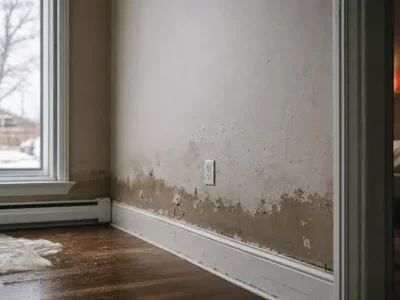
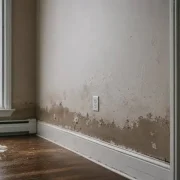
Homeowners may notice cracking, discoloration, moisture marks, or changes in the appearance of masonry or concrete walls.
One particularly important observation is whether a wall appears to be bowing or moving inward.
This condition can be associated with pressure acting against the foundation wall and deserves professional evaluation.
Homeowners should also pay attention to recurring water intrusion, especially when it appears alongside cracks or visible wall movement.
A qualified professional can help determine which observations require further investigation.
Exterior Changes Matter Too
Not every warning sign appears inside the home.
Cracks in exterior masonry, separation around building materials, or noticeable changes where different structural elements meet may deserve attention.
Homeowners can periodically walk around the property and observe the condition of accessible exterior surfaces.
Look for areas where gaps appear to be increasing or where materials no longer align as they previously did.
Avoid making conclusions based on a single observation. The relationship between several changes may be more informative than any individual cosmetic defect.
Michigan’s Seasonal Conditions Add Another Consideration
Homes in Warren experience changing temperatures, winter freezing conditions, and periods of rainfall throughout the year.
These seasonal variations can affect soil moisture and the movement of materials around a structure.
Freezing conditions may also contribute to frost-related ground movement where site conditions allow.
This does not mean seasonal changes automatically cause foundation damage.
Instead, they provide useful context when evaluating cracks, drainage concerns, or changes that seem to become more noticeable during certain parts of the year.
A foundation inspection in Warren can help place visible conditions within the broader context of the property.
Document Changes Before They Become Difficult to Remember
Homeowners do not need specialized equipment to begin keeping useful records.
Taking dated photographs of visible cracks, moisture marks, or gaps can make it easier to observe changes over time.
A brief note describing when an issue appeared may also help.
For example, homeowners might record whether basement moisture develops after heavy rainfall or whether a door becomes more difficult to operate during a particular season.
These observations do not replace professional measurements or assessments, but they can provide helpful background information during an inspection.
Avoid Covering Problems Before Understanding Them
Cosmetic repairs can make a room look better without addressing the reason a problem developed.
Patching a recurring crack or repainting a moisture-stained wall may temporarily hide the visible evidence.
If the underlying condition remains, the problem may return.
Before repeatedly repairing the same area, homeowners should consider whether additional evaluation is appropriate.
This is particularly important when cracks continue expanding, water repeatedly enters the basement, or several signs of possible movement develop together.
Understanding the cause can help homeowners avoid spending money on repairs that do not address the underlying issue.
Know What to Ask During an Inspection
A professional evaluation is also an opportunity to ask questions.
Homeowners can request an explanation of the visible conditions, which areas were examined, and whether the findings suggest a need for additional investigation.
It is also reasonable to ask whether a condition appears cosmetic, related to moisture, or potentially structural.
When repairs are recommended, homeowners should understand the proposed scope and why that approach is being considered.
Some situations may require assessment by a licensed structural engineer, particularly when significant structural movement or complex conditions are suspected.
A useful inspection should leave homeowners with a clearer understanding of the property’s condition and the next steps.
Make Foundation Maintenance Part of Homeownership
Foundation concerns are easier to track when homeowners regularly observe the property rather than waiting for obvious damage.
Checking drainage conditions, watching for recurring moisture, and paying attention to new cracks or alignment changes can become part of routine home maintenance.
These observations are especially useful after major storms, significant changes in landscaping, or other work that affects water movement around the property.
Homeowners should not attempt dangerous structural repairs or excavations without qualified assistance.
When a condition appears to be progressing, timely professional evaluation is generally more useful than waiting for additional visible damage.
Turn Uncertainty Into an Informed Plan
A crack, sticking door, or damp basement does not automatically mean a home has a serious foundation problem. Still, recurring or progressive changes deserve attention. A foundation inspection in Warren can help homeowners understand the relationship between visible symptoms, drainage conditions, and potential structural concerns before deciding what action is appropriate.
For homeowners who want to better understand the condition of their property, Expert Foundation Repair Warren offers a starting point for discussing foundation concerns and available services. Contacting the company to arrange an evaluation can help clarify potential issues and identify appropriate next steps for maintaining the home’s structural condition.




Comments