
 By
By 
Nothing beats the look of bright sunlight on your house, but the ultraviolet (UV) rays that create it take their toll on asphalt. UV rays cause the oils in the binder that binds the stone and sand to dry up, making the surface become brittle. Sealcoating acts as sunscreen and a raincoat all in one thin coat of treatment. It slows the aging process, keeps the surface dark and smooth, and avoids the need for premature repairs. If done properly sealcoating is quick, clean, and inexpensive.
What UV Rays Do to Asphalt
Asphalt is composed of aggregate, which is bound by asphalt cement, as discussed here. The UV rays destroy the light oils in that binder and make the surface not flexible as it was in its new condition. Even during the cool months, the action of UV rays will accumulate like repeated sunburn and finally cause peeling away. Without protection from heat and sun, wear occurs more rapidly even though the traffic is light, so routine sealcoating becomes a smart pavements preservation measure.
- The color fades from a rich black to a chalky gray.
- Tiny hairline cracks develop on the most exposed areas of the sunshine.
- The surface becomes sandy or disintegrates under the tires of cars.
- The edges dry and crumble near curbs, borders of gardens or sidewalks.
Shade from trees or carports slows up the damage done to asphalt surfaces, but there is no way to prevent the detrimental action of the sun to binder.
Oxidation Explained
Oxidation (https://www.sciencedirect.com/science/article/abs/pii/S0376736109702870) is a slow chemical reaction between oxygen, sunlight and the asphalt binder. As light oils evaporate from this binder, the binder becomes hard and brittle, losing their resiliency to temperature changes and weight of cars received to it. This inflexibility creates cracks, which let in water, which weakens the base, opening the way for potholes. Think of oxidation as just as bread going stale, in the beginning it appears the same but there is no elasticity or resiliency left.
A good product for sealing asphalt emulsions or polymer-modified sealers will exclude oxygen and sunlight and counteract this process. By treating the small defects early, you can stay ahead of the cycle. To stop the water penetrating: fast sealing of cracks, resurface or sealcoat stops the moisture penetration as a good sealcoat restores the protective film. Should the surface be dry and rough, shedding sand it may be better to resurface the driveway or an asphalt overlay, maintaining sealcoating however often will postpone the larger repairs. If in doubt, consult a local professional asphalt paving person on your driveway.
Sealcoating Frequency
Sealcoat is a sacrificial layer of UV blocking material. It receives much of the UV attacks of the sun so the pavement itself does not have to. For the new asphalt pavement, the better many professionals recommend that the first application is delayed about 90 days, waiting until the film ceases shedding sand and the oily sheen wears off, before the first application. After that it is wise to have them resealed even as often as every 2 to 3 years in mild climates. Where sun is plentiful and moderate traffic the 1–2-year cycle is the rule.
- Color: when it becomes light, gray and dull it is time to coat
The water bead test. If it does not bead up but runs in, it is the time for re-coating soon. - Commercial traffic: Frequent turns, trailers and heavy-duty SUVs make driveways wear out more rapidly.
- Seal after repairing: Schedule sealcoating after crack sealing is performed so the surface can dry.
- No over-sealing: Thin coats will perform better than thick ones.
If you are in the habit of parking heavy trailers or turning the steering wheel while still, the need to reseal will come sooner, because those actions scrape off the topcoat. If you wish to have a contractor do the work, a trustworthy asphalt contractor in Northwest Anaheim can assess your surface and apply the proper chemicals for your requirements.
Application Temperature Range
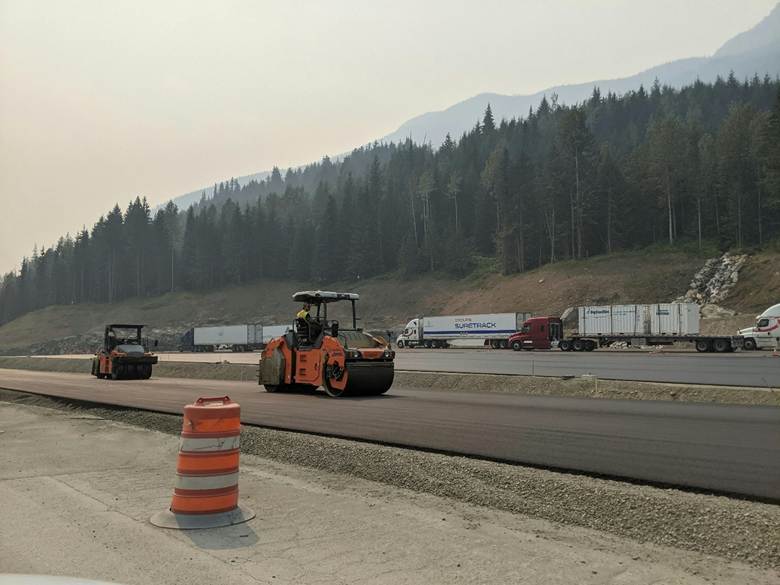
Sealer cures by the evaporation of water and the bonding together of the material, so it needs warmth and wind and a dry surface. Try to apply at an air temperature and pavement temperature between 50 and 90° and be sure that the temperature is going upward and no rain is predicted for 24 hours at least. Of course, the surface must be dry, so watch out for dew or shady, moist areas.
In hot weather, it is better to apply in the morning or late afternoon, if there is to be no checking and tracking. You should stir well, apply thin coats having clean edges and give a thought for drying time between applications. If whether conditions are dubious, consult contractors in your district, contractors in asphalt paving who know about the sun, wind and humidity of your district. Light winds assist in drying, but strong winds carry dust and leaves to new sealer, so plan to for cool, clear periods.
Long-Term Benefits
Frequent coat of sealer is an easy habit and is of help to one big investment. It is protective against ultra-violet rays, sheds water and helps prevent wear of tires and dripping oil besides the thermal contraction and expansion of unknown warmth from season to season. Together with the sweeping and perhaps also the repairing the bubblers, it is the crux of the low-cost care of driveways or small public used lots which must be kept up to a standard of easy parking lot maintenance.
- Extends service life by slowing up both raveling and oxidation.
- Aids in preventing the intrusion of water, base getting damaged and formation of potholes.
- Restores the resplendent surface preferable to look at and clears markings, if striped.
- Lowers the lifetime cost by slowing up the necessity of major resurfacings.
A dark, sealed surface also warms up quicker in mild winter times than does a more scoured, uncovered surface, and helps to eliminate the light frost and so helps in reducing the possibility of slipping. With a little care each season (removal of debris, repairing of small cracks, resealing from year to year) the understructure of the dark surfaces is preserved. Your driveway will be smooth, safe and good looking from season to season. Treat sealcoating as normal surface preservation and you will find your asphalt will repay you in years of good service.


Comments