
 By
By 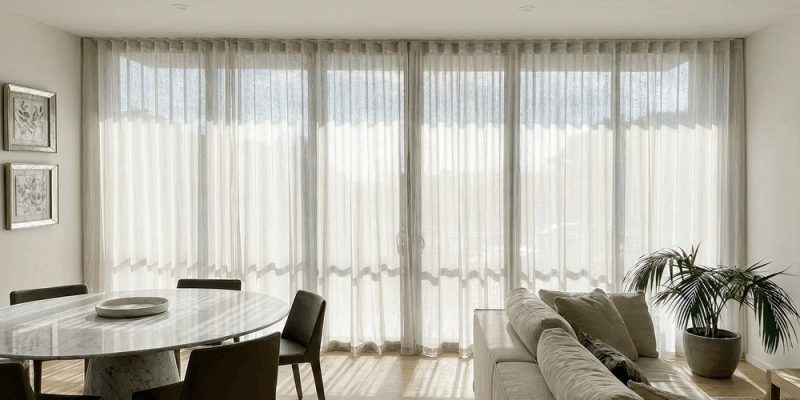
S wave curtains have become one of the most requested window treatments in Singapore’s interior design scene, and the trend shows no signs of slowing. With their continuous, flowing folds that ripple evenly from rail to floor, these curtains bring a level of visual sophistication that traditional pleated styles struggle to match. For homeowners renovating condominiums, HDB flats, and landed properties alike, the S wave curtain has emerged as the default choice for modern, clean-lined interiors.
The appeal is not difficult to understand. Where conventional curtains bunch unevenly and require constant adjustment to look presentable, S wave curtains maintain their shape effortlessly. The folds are engineered into the heading tape and track system, producing a uniform wave pattern that looks deliberate and polished whether the curtains are open, closed, or somewhere in between.
What Makes S Wave Curtains Different
The defining characteristic of an S wave curtain is its heading system. Unlike pinch pleat or pencil pleat curtains that gather fabric at fixed intervals, S wave curtains use a specially designed glider system that spaces the fabric into consistent, rounded folds. The result is a smooth, sinusoidal wave pattern that looks effortless but is, in fact, precisely engineered.
The fabric hangs from carriers that slot into a track at equal intervals. Each carrier holds the fabric at a set distance from its neighbours, creating the characteristic wave. The fold depth and spacing can be adjusted depending on the track system, but the standard ratio produces a gentle, rolling effect that works with virtually any fabric weight.
This system eliminates the common frustrations of traditional curtains. No more bunching at one end. No more uneven gathers. No more fiddling with hooks and rings every time you draw the curtains.
Why Singaporeans Are Making the Switch
Several factors are driving the popularity of S wave curtains in Singapore homes.
- Minimalist design trends. The clean lines of S wave curtains complement the minimalist and Scandinavian-inspired interiors that dominate current design preferences. They add softness without visual clutter.
- Compact living spaces. In smaller apartments, heavy, layered curtain arrangements can make rooms feel cramped. The slim profile of S wave curtains, especially when paired with a ceiling-mounted track, creates an impression of height and openness.
- Low maintenance. Once installed, S wave curtains require almost no adjustment. The wave pattern resets naturally every time the curtains are drawn, saving homeowners the daily task of rearranging folds.
- Versatility. S wave curtains work with sheer fabrics, blockout materials, and everything in between. A single track system can accommodate different fabric types for different rooms throughout the home.
As Lee Kuan Yew once observed, “We have to make this place more liveable and that requires attention to the things that affect daily life.” Window treatments are precisely the kind of detail that affects daily living, and S wave curtains handle that detail with quiet efficiency.
Choosing the Right Fabric
The fabric selection is critical to getting the best result from S wave curtains.
- Sheer fabrics produce a light, airy wave that filters natural light while maintaining privacy during the day. They are ideal for living rooms and dining areas where soft, diffused light creates a welcoming atmosphere.
- Blockout fabrics provide complete light control for bedrooms and media rooms. The wave pattern remains visible even with heavier fabrics, though the folds will be slightly more pronounced.
- Linen and textured weaves add depth and character to the wave pattern. The natural drape of linen works particularly well with the S wave system, creating an organic, relaxed look.
- Dimout fabrics offer a middle ground, reducing light transmission by 70 to 90 percent while maintaining a softer appearance than full blockout materials.
When selecting fabric, consider the room’s orientation. North-facing rooms in Singapore receive less direct sunlight and may benefit from lighter fabrics. West-facing rooms that catch the afternoon sun often need blockout or dimout options to manage heat and glare.
Installation Considerations
Proper installation is essential for S wave curtains to perform as intended.
- Track type. S wave curtains require a compatible track system. Not all curtain tracks support the specialised gliders that create the wave pattern. Confirm compatibility before purchasing.
- Ceiling vs wall mount. Ceiling-mounted tracks create the cleanest look, with fabric falling directly from above. Wall-mounted tracks work where ceiling installation is impractical but may require a pelmet or fascia to conceal the hardware.
- Stack-back space. When S wave curtains are fully open, they stack more compactly than traditional pleated curtains. However, you still need to account for the stack-back width, the space the folded curtains occupy beside the window.
- Professional fitting. The precision of the wave pattern depends on accurate track installation. A curtain supplier in Singapore with experience in S wave systems will measure, supply, and install the complete system to ensure optimal results.
Cost and Value
S wave curtains typically cost more than basic pencil pleat or eyelet curtains due to the specialised track system and the additional fabric required to create the wave pattern. However, the premium is modest relative to the improvement in appearance and functionality.
When compared to more elaborate curtain styles such as goblet pleats or box pleats, S wave curtains are often comparable in price while offering a more contemporary aesthetic. The reduced maintenance and longer fabric lifespan, thanks to less stress on the heading, further offset the initial investment.
Making the Right Choice
For homeowners considering S fold curtains for their Singapore home, the process begins with a consultation that covers fabric selection, track options, and installation logistics. A good supplier will bring fabric samples to your home so you can evaluate colours and textures in the actual lighting conditions of each room.
The S wave curtain works because it solves a simple problem elegantly. It makes window dressing look effortless, feel modern, and function reliably day after day. For Singaporeans upgrading their homes in 2025, it is the window treatment that delivers on its promise.



Comments