
 By
By 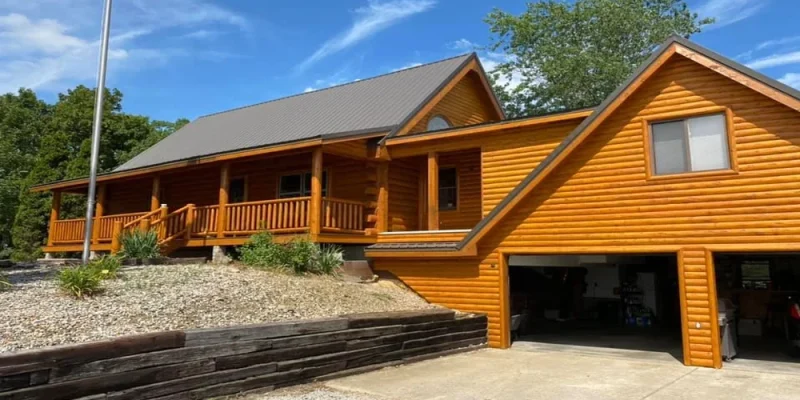
Key Takeaways
Restoring a log home not only boosts property value but also enhances its market appeal, attracting buyers who value authenticity and craftsmanship.
Rather than opting for a complete replacement, restoration often proves more budget-friendly for homeowners, yielding savings of 30% to 60% while maintaining the historical character and craftsmanship of the property.
Effective restoration techniques tackle the structural issues caused by weather, pests, and age, ensuring that the log home remains both beautiful and enduring.
There’s also an environmental upside to restoration; it minimizes waste and encourages the use of locally sourced materials, ultimately helping to lower the carbon footprint associated with new construction projects.
The restoration journey is systematic, encompassing assessment, planning, repairs, and finishing details, all aimed at enhancing quality and rekindling the home’s original charm.
Homeowners often face common log home issues like wood rot, pest infestations, and weather damage. Addressing these challenges through restoration safeguards the home against future deterioration.
Engaging experienced professionals for log home restoration is essential, as their skills ensure that the work meets both technical and aesthetic standards required for a successful result.
Maximizing Your Investment: Why Log Home Restoration Pays Off
Understanding the True Value of Restoring Log Homes
Log homes embody a rich legacy and natural beauty that many owners hold dear. Yet, the real estate market involves more than just nostalgia; it revolves around tangible value. Remarkably, log home restoration can greatly maintain and even enhance property values. As these homes age, they often require careful attention, but a well-restored log home stands out, setting itself apart from standard properties.
A restored log home frequently experiences significant boosts in both marketability and worth. Many owners have observed notable increases in resale value and buyer interest. Potential buyers tend to favor properties that do more than just house memories; they desire homes that reflect genuine craftsmanship and authenticity. Hence, investing in restoration displays a savvy grasp of market dynamics.
Cost-Benefit Analysis: Restoration vs. Replacement
When deterioration occurs, many owners wrestle with a crucial decision: Restoration or replacement? Choosing to replace a log home might seem straightforward, yet it often entails not only financial expenditure but also sacrifices regarding history, character, and craftsmanship painstakingly developed over time.
The surprising truth is that restoration often emerges as a more economical choice. Studies suggest homeowners can save between 30% and 60% compared to those who opt for a replacement. This decision goes beyond mere dollars and cents; it’s about preserving an architectural treasure and upholding integrity.
- Cost Savings: Restoration is usually much less costly than new construction.
- Value Appreciation: A restored log home typically appreciates at a greater rate than a newly built one.
- Character Retention: It keeps the home’s original charm intact.
In essence, log home restoration transcends a simple choice; it represents an investment in heritage and longevity that pays dividends over time.
Key Benefits of Log Home Restoration for Longevity
How Restoration Techniques Protect Your Home’s Structure
Log homes inherently confront unique challenges due to their materials and construction methods. Over time, elements such as weather, pests, and age can threaten structural integrity. Restoration involves deliberate strategies aimed at strengthening and prolonging the life of a log home. This journey is not just about fixing but also revitalizing.
By employing proper restoration techniques, homeowners can ensure that foundational elements uphold the home’s integrity while enhancing its aesthetic appeal. Experts suggest beginning with a comprehensive inspection to identify existing problems and any potential risks lurking on the horizon.
Some common techniques include:
- Log Replacement: Replacing damaged logs with matching new pieces to maintain the home’s visual consistency.
- Chinking Repair: Sealing gaps between logs to prevent moisture intrusion and pest infestations.
- Pest Treatments: Utilizing modern, eco-friendly methods that effectively deal with wood-eating insects without harmful chemicals.
With each step in the restoration process, a legacy unfolds, safeguarding what truly matters: the home and its rich history.
Environmental Benefits: Sustainability in Log Home Restoration
In an era increasingly focused on sustainable practices, log home restoration emerges as a sensible option. Many contemporary construction materials come with significant carbon footprints and demand extensive resources. Restoration, conversely, maximizes existing resources. This approach allows homeowners to play a part in waste reduction and environmental stewardship.
Choosing local materials or repurposing existing logs not only reduces costs but also boosts local economies. Experts champion sustainable techniques to ensure minimal environmental impact. By using eco-friendly treatments and finishes, homeowners can boost the durability of their log homes while still honoring their original character.
“Restoration goes beyond preserving homes; it promotes an eco-friendly lifestyle.”
Homeowners can take pride in knowing their decisions actively contribute to environmental sustainability.
Essential Processes in Log Home Repair That Ensure Quality
Step-by-Step: What to Expect During Restoration
Embarking on log home restoration calls for a well-structured approach. Homeowners should familiarize themselves with what’s ahead. Understanding the process can help alleviate anxiety and foster confidence. Each stage prepares the home for future seasons and years of enjoyment.
Typically, homeowners can expect the following during restoration:
- Initial Assessment: A thorough inspection identifies immediate needs and long-term objectives.
- Planning Phase: Collaboration with restoration experts leads to a tailored strategy based on the home’s state.
- Repair and Restoration Work: Implementing strategies to restore both structure and beauty.
- Finishing Touches: Applying stains or finishes that enhance wood protection while adding visual appeal.
As the process unfolds, homeowners witness their log homes regaining charm and functionality, all while aligning with modern needs.
Identifying Common Issues in Log Homes and Their Solutions
While inherently stunning, log homes come with their share of challenges. Owners often face issues like wood rot, termite infestations, and moisture damage. Tackling each concern requires careful diagnosis and a strategic approach to ensure lasting health.
- Wood Rot: Typically occurs from moisture buildup; solutions include log replacement and ensuring adequate drainage.
- Termite Infestations: Professional pest control identifies nests and employs targeted interventions to avert future issues.
- Weathering: Routine maintenance like staining and sealing helps guard against external factors.
Staying informed about these issues and their solutions allows owners to fully enjoy their log homes without unwelcome surprises.
The Expertise Behind Successful Log Home Restoration
Choosing the Right Professionals: What Qualifications Matter
The success of any restoration hinges on the expertise involved. Selecting the right professionals can distinguish a mediocre job from an enduring legacy. Homeowners should seek out established firms with proven experience in log home restoration, as the specific nuances often demand specialized knowledge.
Key qualifications to assess include:
- Experience: Look for specialists who have extensive hands-on experience in log home restoration.
- Certifications: Confirm training in techniques relevant to preservation and eco-friendly practices.
- Portfolio: Reviewing previous work showcases both skill and an eye for beauty.
In a field where expertise is crucial, choosing a restoration partner who understands the unique requirements of log home maintenance is vital.
Testimonials from Homeowners: Real Experiences and Outcomes
Nothing resonates quite like the stories of homeowners. Many have undertaken restoration journeys that breathed new life into their cherished log homes. They often express how the restoration process surpassed their expectations.
One homeowner shared, “Our log home needed more than just repairs; it craved revival. The team brought its heart and soul back.” Another remarked, “Every log tells a story. With restoration, ours can continue to share its tale for future generations.”
“Restoration isn’t just about fixing; it’s about reimagining a legacy.”
Real-life experiences highlight the clear truth: log home restoration not only rejuvenates the home but also revives the spirit of the families that inhabit them.
FAQ
What maintenance does a restored log home require?
Restored log homes need regular maintenance to maintain their beauty and structural integrity. Homeowners should inspect the logs annually for any signs of wear, manage drainage properly, and reapply finishes or sealants every few years.
Can log homes be restored to modern standards?
Absolutely. Log homes can be updated to comply with contemporary energy efficiency and safety standards. Adding modern insulation, energy-efficient windows, and updated electrical systems during the restoration enhances comfort while retaining the original character.
How long does the restoration process typically take?
The time required for restoration varies depending on the home’s condition and the scope of the work. Generally, projects may take anywhere from a few weeks to several months, influenced by complexity and weather conditions.
Are there financing options available for log home restoration?
Homeowners often look into various financing avenues for log home restoration. Traditional home improvement loans, personal loans, or even specialized restoration grants may be accessible, making it wise to consult with local lenders.
How can homeowners prepare for a restoration project?
Preparation for a restoration project involves clearing the area of obstacles and consulting professionals for an assessment. It’s also wise to establish a realistic budget and timeline, accounting for any unexpected developments during the course of the work.
What role do local materials play in restoration?
Utilizing local materials in restoration not only bolsters community economies but also enhances sustainability efforts. Local materials integrate seamlessly with the existing structure, offering an authentic look while minimizing environmental impact associated with transportation.
Can homeowners do any of the restoration work themselves?
While basic maintenance tasks like staining or sealing may be feasible as DIY projects, major restoration efforts are best entrusted to professionals. Their expertise helps ensure that the home’s integrity and aesthetics are preserved and enhanced appropriately.
How does restoration affect the home’s insurance policy?
Restoration can yield positive effects on a log home’s insurance policy. A well-restored home typically commands a higher market value, which may lead to more favorable insurance premiums. Homeowners should always update their insurance providers about renovations to guarantee adequate coverage.
Useful Resources
- National Association of Home Builders (NAHB) – A resource for insights into the housing industry and construction practices.
- Log Home Association – Offers guidance on log home construction, maintenance, and restoration.
- Architectural Digest – Features articles on home design, restoration techniques, and architectural trends.
- Green Building Advisor – Focuses on sustainable building and renovation practices, including those relevant to log homes.
- Wood Magazine – Provides information on woodworking and maintenance for log structures.
- Better Homes & Gardens – Offers guidance on home maintenance and strategies for restoration.
- The Rural Home Magazine – Contains articles tailored to rural living and log home restoration initiatives.
- Houzz – A platform providing ideas for home remodeling, including log home restoration examples and professional connections.







Comments