
 By
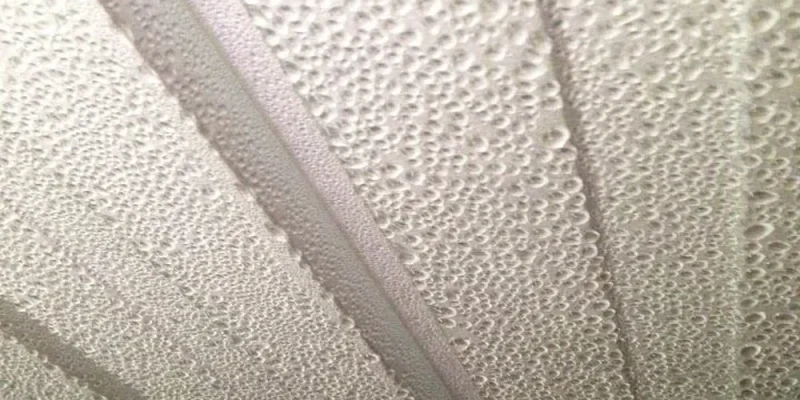
Most autumn mornings, fog settles into the valleys below the Smokies. If you’ve ever left a truck outside overnight, you know what that does: the windshield is covered in water even though it never rained. A metal roof can do the same thing, and sometimes it happens on the side you can’t see.
That surprises a lot of people, because metal is known for keeping water out. It sheds rain fast, resists moss and can outlast asphalt shingles by decades. None of that changes the basic physics of a cold sheet of steel sitting in humid air.
Homeowners comparing options for Seymour metal roofing usually ask about color, gauge and price first. It’s worth adding one more question to that list: how will the panels handle moisture from below? Crews at briankingroofing.com, a family-owned roofer that has worked across Blount, Sevier and Knox counties since 1991, see how much the hidden layers under a roof decide whether it stays dry over the years.
Why Metal Gets Colder Than the Air Around It
Every surface outdoors loses heat to the night sky. On a clear night, metal panels lose it quickly because they’re thin and hold very little warmth. Within a few hours of sunset, a steel roof can be several degrees colder than the air around it.
Every pocket of air has a dew point, the temperature where its moisture turns into liquid water. In a humid river valley, the dew point can sit only a few degrees below the evening temperature. Once the metal drops below that number, water forms on any surface it touches, top or bottom.
The top side doesn’t matter, since rain hits it anyway. The underside is a different story.
One Night Under the Panels
Early Evening
The sun goes down and the roof starts shedding heat. The attic below is still warm from the afternoon, and the air inside it holds moisture from showers, cooking and breathing that has drifted up through ceiling gaps.
After Midnight
The panels have cooled past the dew point. If that humid attic air can reach the back of the metal, a thin film of water starts to form. On a properly built roof, it forms on a layer designed to take it. On a poorly built one, it beads on bare steel or soaks into the wood.
Dawn
This is the coldest point of the night, and the film is at its heaviest. Droplets gather at fastener tips and along panel ribs, then fall.
Midmorning
The sun warms the roof and the cycle reverses. On a ventilated roof the moisture dries out. Without ventilation it lingers, and the wood underneath stays damp for one more day.
That cycle repeats dozens of times every fall and spring. The cost comes from how often it repeats, not from any single night.
Where the Moisture Comes From
There are two sources. The first is outdoor air drawn into the space beneath the panels, which matters most on barns, carports and open sheds. The second, and the bigger one for homes, is indoor air leaking into the attic. Bathroom fans vented into the attic instead of outside, gaps around recessed lights, unsealed attic hatches and plumbing chases all push warm, moist air right toward the coldest surface in the house.
A few clues show up in the attic long before a ceiling stain does:
- Rust on screw tips or nail points poking through the decking
- Dark rings or streaks in the wood around fasteners
- Small drip marks or flattened spots on top of the insulation
- A musty smell on cool mornings after clear nights
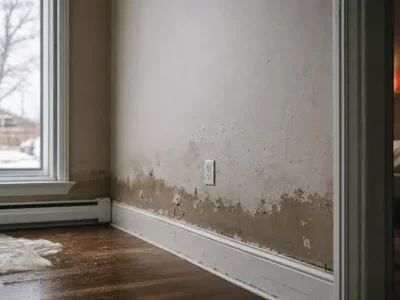
- Water spots that appear when it hasn’t rained
That last one is the most useful test. A leak follows rain. Condensation follows clear, still, cool nights.
Layers That Keep the Underside Dry
Building a metal roof for a house is very different from building one for a hay barn. Exposed panels screwed straight onto open purlins, with nothing underneath, are fine for a pole building. Over living space they’re a reliable way to get dripping.
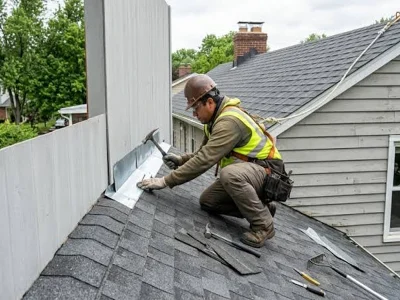
A house roof needs a solid deck and a synthetic underlayment rated for the heat that builds up under metal. If condensation forms, it lands on that underlayment and drains or dries instead of reaching the wood. Older felt products can soften under metal in summer heat, which is one reason high-temperature synthetics have become standard.
Ventilation matters just as much. Intake at the soffits and exhaust at the ridge keep attic air moving, so moisture leaves before it can collect. Sealing the ceiling plane matters too: bathroom fans ducted outdoors, recessed lights rated airtight, the attic hatch weatherstripped. These cheap fixes often solve problems that people blame on the roof.
Going Over Old Shingles
Many homeowners want metal installed over their existing shingles to avoid the cost and mess of a tear-off. Researchers at Oak Ridge National Laboratory tested standing seam retrofits installed over existing roofs for several years. They combined the panels with rigid insulation, reflective surfaces and a ventilated air gap above the deck. Compared with a plain asphalt shingle roof, every version cut the heat moving through the roof and ceiling and reduced the daily temperature swings in the attic.
The ventilated gap in those designs does double duty. It carries away summer heat, and it gives moisture a way out on cool nights. An overlay done without that gap and without a fresh underlayment skips the part that keeps the panels dry.
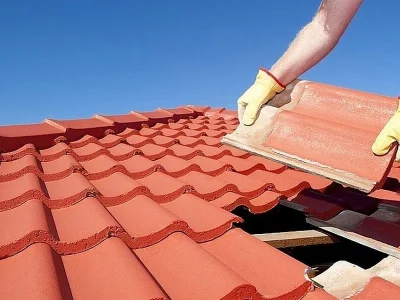
An overlay only makes sense when the deck underneath is solid. Soft spots, rot or more than one existing layer of shingles call for a full tear-off, and local code may require one anyway.
Panel Style Matters Less Than People Think
Standing seam panels hide their fasteners and allow the steel to expand and contract. Exposed fastener panels cost less but rely on rubber washers that harden in the sun over the years. A worn washer can let in a slow drip that looks a lot like condensation, so it’s worth ruling out before blaming the dew point.
Either style can stay dry for decades. What decides it is everything installed under the steel: the deck, the underlayment, the airflow and how well the house keeps its own humid air out of the attic. A metal roof built with those layers can handle foggy valley mornings without trouble. One built without them works against the weather every night.



Comments