
 By
By 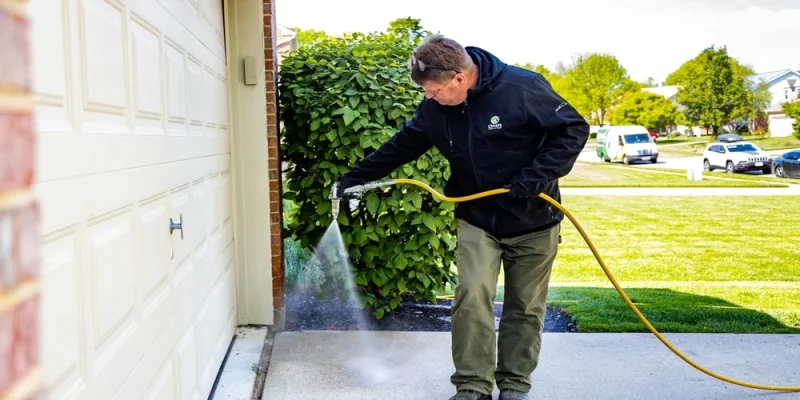
Almost every pest problem inside a home begins outside it, and Fort Smith gives those outdoor pests a lot to work with. The city stands on the Arkansas-Oklahoma border at the meeting of the Arkansas and Poteau rivers. Its humid subtropical climate brings hot summers and wet springs, with about 45 inches of rain a year. This warmth and moisture support large outdoor pest populations that press against homes for much of the year. Stopping them at the perimeter keeps most of them from getting inside.
Homeowners can find recurring residential service at www.palisadepest.com, which builds a home’s protection from the outside in. A plan that treats the perimeter first stops many pests before they reach an entry point. This approach fits a river city where outdoor pest pressure stays high.
Pest Control That Starts Outside the Home
Most ants, roaches, spiders, and rodents live outdoors and enter a home searching for food, water, or shelter. Treating only the pests seen indoors leaves the outdoor population free to keep sending more inside. An exterior barrier treatment targets the foundation, the ground along the walls, and the common points where pests cross. Palisade Pest Control applies this kind of perimeter treatment and inspects the outside of a home for the gaps that let pests in. Treating pest activity outdoors can reduce the number of pests that reach the living areas.
Fort Smith’s Rivers and Humidity Raise Outdoor Pressure
The Arkansas and Poteau rivers and the low ground around them keep humidity high and give many pests a reliable water source. Mosquitoes breed in the backwaters and drainage near the rivers. Cockroaches, ants, and spiders thrive in the damp warmth of Fort Smith summers. After the rivers rise in spring, standing water can linger in low yards for days and feed a fresh round of insects. The wet spring season swells outdoor populations early, and the long warm season keeps them active into fall. Homes closer to the rivers and low-lying areas face the heaviest outdoor pressure.
The Entry Points Outdoor Pests Use Most
Pests rely on a small set of predictable openings to get indoors. Gaps under exterior doors, worn weatherstripping, and unsealed thresholds let insects and mice walk in. Utility penetrations for pipes, cables, and vents often leave openings around them. Weep holes in brick, foundation cracks, and torn screens add more routes. Sealing gaps with the right materials matters too, since steel wool and proper sealant hold up far better than foam alone against a determined rodent. Sealing these openings during exterior treatment can block the entry points pests use most often.
Foundation Landscaping and Pest Pressure
The ground around a home can either attract pests or help keep them away. Shrubs and tree limbs that touch the walls give insects a direct bridge onto the structure. Downspouts that drain toward the foundation keep the soil damp and draw moisture pests. Dense ground cover traps humidity against the base of the walls. A band of gravel or bare soil along the foundation gives pests less cover than plantings set right against the wall. Trimming vegetation back and improving drainage makes the perimeter less welcoming and helps the treated barrier last.
A Treated Perimeter Protects the Whole Home
An exterior barrier works because it meets pests where they start. Regular perimeter treatment keeps the outdoor population in check and refreshes the barrier as weather wears it down. Regular exterior service is the practical way to keep indoor pest problems rare in a home facing river humidity and a long warm season. Protecting a home’s exterior helps keep pest activity from reaching the living space.




Comments