
 By
By 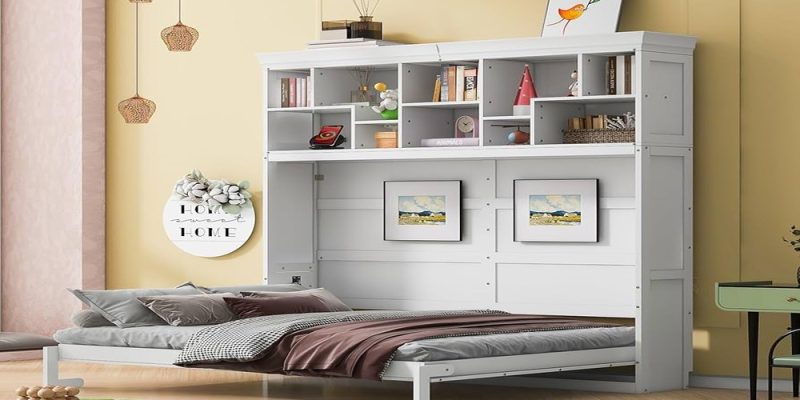
In compact homes, floor space is always doing too much work. One minute it’s a living room, the next it needs to become a bedroom, and sometimes even a workspace or study area. When every square metre matters, bulky furniture can quickly make a home feel cramped.
That’s why space-saving Murphy beds have become such a practical solution. They don’t just save space, they actively change how a room functions. The key, however, is not just installing one but setting it up in a way that actually supports your daily routine.
Here are seven smart Murphy bed setups that instantly free up floor space while keeping your home comfortable, flexible, and easy to live in.
1. The home office + Murphy bed hybrid.
This is one of the most efficient setups for modern living.
During the day:
- The bed is folded away into a wall unit
- A desk becomes the main workspace
- The room feels open and productive
At night:
- The bed folds down over or beside the workspace
- The room quickly transforms into a bedroom
This setup works especially well in smaller apartments where a single room needs to handle both work and rest without feeling overcrowded.
The key is making sure the desk is positioned so it doesn’t block the bed’s movement or create unnecessary rearranging.
2. The living room guest bed solution.
Not every home has a spare bedroom, especially in compact apartments. This is where the living room becomes a flexible space.
With a Murphy bed in the living area:
- The room stays open and uncluttered during the day
- Seating and daily activities are unaffected
- At night, it becomes a comfortable guest bedroom
Unlike sofa beds, which still take up visible space even when folded, Murphy beds completely disappear into the wall, freeing up the entire room when not in use. This makes the space feel larger and more adaptable.
3. The wardrobe-integrated wall system.
Storage is always a challenge in compact homes, and this setup solves two problems at once.
A wardrobe-integrated Murphy bed combines:
- A fold-down bed in the centre
- Built-in wardrobes on both sides
- Additional overhead cabinets for extra storage
When closed, it looks like a clean, continuous storage wall. When opened, it becomes a full sleeping area.
This approach reduces clutter, eliminates the need for separate bulky furniture, and keeps everything visually streamlined.
4. The sofa + Murphy bed combination.
For studio apartments or multifunctional living rooms, this hybrid setup is extremely practical.
It works like this:
- A sofa is used for daytime seating
- The Murphy bed folds down over or in front of the sofa
- The room transitions between lounge and bedroom modes
This eliminates the need for separate sleeping and seating zones, which is often impossible in smaller layouts.
The biggest advantage is efficiency. One room, one footprint, two completely different uses.
5. The minimalist open-floor layout.
Sometimes the best design choice is simplicity.
This setup focuses on:
- A single Murphy bed unit along one wall
- Minimal surrounding furniture
- Clear, open floor space when the bed is stored
When the bed is folded up, the room becomes a flexible open area that can be used for exercise, play, or relaxation.
It’s especially effective in small homes where visual clutter makes a space feel tighter than it actually is.
6. The corner Murphy bed configuration.
Corners are often underused in room layouts, but they can be surprisingly effective for Murphy beds.
This setup:
- Places the bed in a corner unit
- Frees up longer walls for storage or seating
- Creates a more defined room layout
It works well in irregularly shaped rooms or spaces where a full wall installation isn’t ideal.
The result is a more efficient layout that maximises awkward or unused areas.
7. The multi-use guest + hobby room setup.
Not every room needs to be a permanent bedroom.
In this flexible setup:
- The Murphy bed is used only when guests stay over
- The rest of the time, the room functions as a hobby, study, or storage space
- Furniture is kept light and movable
This approach is ideal for homeowners who want maximum flexibility without dedicating a full room to sleeping space.
It allows one room to adapt depending on need, rather than being locked into a single purpose.
Why These Murphy Bed Setups Work So Well
All of these layouts share a few key principles:
- Flexibility: rooms change function easily throughout the day
- Efficiency: no wasted floor space from unused furniture
- Simplicity: layouts stay clean and easy to manage
- Adaptability: spaces adjust to different lifestyles and needs
When these principles come together, a small room doesn’t feel limiting anymore. It starts to feel dynamic and usable in multiple ways.
Final thoughts
Murphy beds are more than just space-saving furniture. When used thoughtfully, they become part of a larger design strategy that helps compact homes function better.
The real advantage isn’t just that the bed folds away, but that it gives you back the freedom to use your space however you need throughout the day.
With the right setup, a single room can shift between bedroom, living area, workspace, or even a hobby zone without feeling crowded or complicated.
In small homes where space is always at a premium, that kind of flexibility isn’t just convenient, it’s essential.








Comments