
 By
By 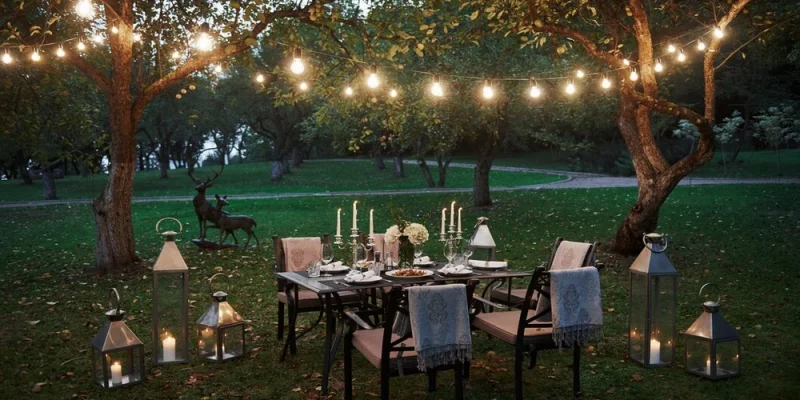
Garden lighting can completely change how an outdoor space looks and feels after dark. But before buying a box of lights and placing them wherever there is a spare patch of soil, it pays to have a plan.
A little planning at the start can save you from having to move lights around later. It can also help you create a garden that feels truly welcoming.
Plan Around Safety First
Safety should always come before appearance when planning outdoor lighting. Paths, steps, gates and changes in ground level are the obvious places to start.
A dark step can be difficult to spot, particularly during winter when the sun disappears early. Low-level lights along a path can make the route easier to follow without flooding the entire garden with bright light.
Entry points deserve attention too. A light near a back door, side gate or shed can make it easier to see where you are going and find keys when you come home after dark.
Think about where people actually walk through the garden rather than simply lighting the areas that look attractive. A beautiful tree does not help much if the path leading towards it is hidden in darkness.
Choose the Right Light Direction
Where a light points can be just as important as the light itself. Bright lamps aimed directly towards the house, seating areas or neighbouring properties can create uncomfortable glare.
Downward-facing lights are often useful around paths and entrances because they illuminate the ground without sending a beam straight into someone’s eyes. Shields and covers can also help keep light focused where it is needed.
If you are highlighting a tree, wall or garden feature, consider the surrounding area before deciding where to position the fitting. A little illumination can look elegant. Too much can make the entire garden appear washed out.
It is also worth thinking about bedroom windows, particularly if neighbouring homes are close by. Good outdoor lighting should make your garden more enjoyable without making someone else’s bedroom brighter at midnight.
Think About Your Power Supply
Outdoor lighting needs more thought than simply finding the nearest indoor socket. Garden conditions can be wet and exposed, so electrical equipment needs to be suitable for outdoor use and installed correctly.
If your lighting requires new wiring or changes to the electrical installation, it is sensible to use a suitably qualified professional rather than attempting unfamiliar electrical work yourself. An electrician in Croydon can assess the setup and advise on a safe way to supply the lighting.
Plan where cables, switches and controls will go before installation begins. This can prevent the garden from ending up with awkward cables crossing areas where people walk or work.
It also gives you the chance to think about future additions. You may only want a couple of path lights now, but you might eventually add lighting around a patio, shed or seating area.
Use Energy Efficient Lighting
Garden lighting does not have to send your electricity bill soaring. LED fittings are a practical choice because they generally use less electricity than traditional incandescent bulbs and are available in a wide range of styles and brightness levels.
Solar lights can also work well in suitable parts of the garden. They charge during daylight and do not need to be connected to the mains, which makes them convenient for paths, borders and decorative areas.
However, solar lighting depends on available daylight, so performance can vary with the season and location. A shaded corner that barely sees the sun may not be the best place for a solar light.
Timers, sensors and smart controls can also help prevent lights from staying on unnecessarily. There is little point illuminating an empty garden at three in the morning unless the local fox has specifically requested it.
Match the Lighting to the Garden
The best lighting schemes usually feel like part of the garden rather than an addition that has been scattered around afterwards.
Think about the style of your outdoor space when choosing fittings. Traditional gardens may suit more classic lantern-style lights, while simple modern fittings can work well with contemporary paving and planting.
The colour temperature matters too. Warmer light can create a softer, more relaxing atmosphere around patios and seating areas. Cooler light can provide a brighter, more functional feel, although too much can make an outdoor space look harsh.
You do not need every light to have exactly the same purpose. Some can provide practical illumination while others can highlight planting, walls or architectural features.
Plan for Different Seasons
A garden can look very different from one season to another, and your lighting needs can change with it.
During winter, darkness arrives earlier, so lighting around paths, gates and entrances becomes more useful. Plants also lose much of their summer foliage, which can change how decorative lighting appears.
In spring and summer, softer lighting may be enough for patios and seating areas. Longer evenings also mean that outdoor spaces tend to be used more frequently, so consider where people sit, eat and move around.
Autumn brings another consideration: fallen leaves. Keep fittings and surrounding areas clear so that debris does not block the light or collect around equipment.
Choosing adjustable fittings or using timers gives you more flexibility throughout the year. You can change how and when the garden is illuminated without replacing the whole setup every few months.
Avoid Overlighting the Garden
More light does not automatically mean better lighting. In fact, using too many bright fittings can make a garden feel less comfortable.
Start by identifying the areas that genuinely need illumination. Paths and steps may need practical lighting, while decorative areas can often get away with a much softer glow.
Spacing matters as well. Instead of placing a bright light every few metres, consider whether several lower-intensity fittings would create a more even effect.
This approach can also help reduce unnecessary light spilling beyond your garden. Keeping illumination focused on your own property is kinder to neighbours and can make the garden feel more peaceful.
Give the Whole Layout Some Thought
Before installing anything, take a walk around the garden after dark. It sounds obvious, but it is surprisingly easy to plan lighting during the daytime without noticing how different the space feels at night.
Look at where shadows fall. Check which paths disappear into darkness and which areas are already naturally visible from nearby windows or outdoor lights.
Then consider the garden as a whole. Lighting one feature very brightly while leaving everything around it completely dark can create a strange visual effect. A balanced arrangement usually works better.
It can also help to mark proposed light positions temporarily. This gives you an opportunity to see whether the placement works before anything is installed permanently.
Plan Now for Easier Maintenance
Garden lighting needs to survive rain, dirt, leaves and changing temperatures, so maintenance should be part of the plan from the beginning.
Make sure fittings can be accessed when they need cleaning, adjustment or replacement. Avoid placing lights somewhere that will become impossible to reach once plants grow around them.
Keep an eye on cables, fittings and connections, and deal with signs of damage promptly. Outdoor equipment can take a fair bit of punishment from the weather, but that does not mean it can be forgotten once installation is finished.
A well-planned system should be safe, practical and reasonably easy to maintain. The prettier it looks, the better. But the real success is being able to use the garden comfortably after sunset without constantly wondering whether you are about to trip over something.
Conclusion
Garden lighting works best when it is planned around the way the space is actually used. Think about safety first, then consider atmosphere, energy use, positioning and seasonal changes.
You do not need to cover every corner in bright lights. A carefully placed fitting along a path, near a gate or beside a seating area can make a noticeable difference. With the right planning, your garden can feel safer, more comfortable and much more inviting after dark.










Comments